

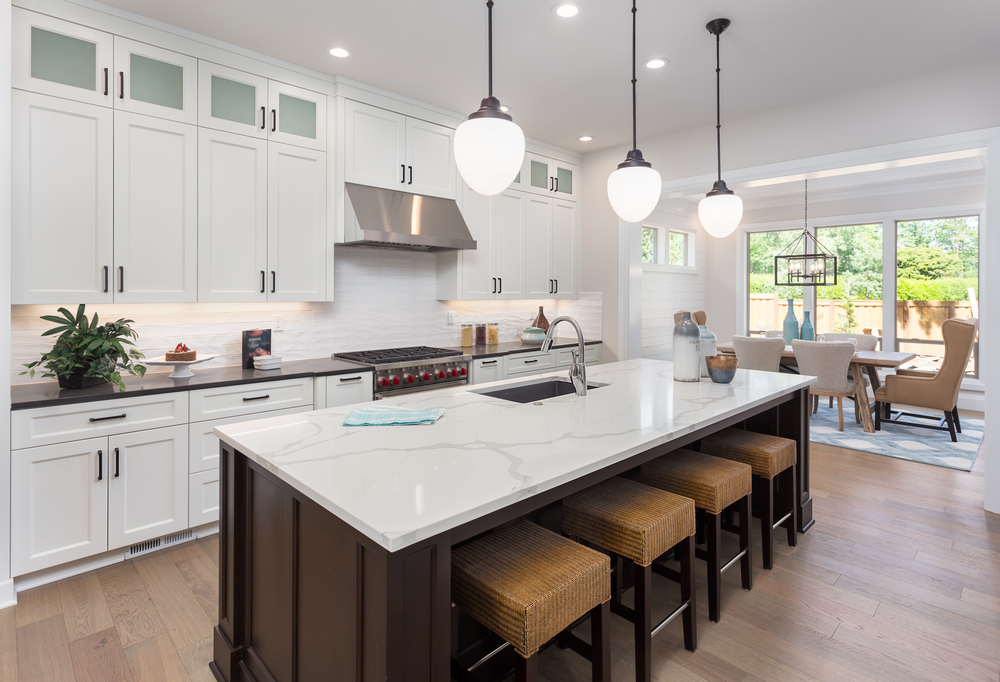
What Should I Fix Before Selling My Las Vegas Home?
Selling a home often raises an expensive question: What should I fix before putting it on the market?
Some repairs can make a home more appealing to buyers and help prevent problems during the sale. Others may cost thousands of dollars without adding nearly as much value as the seller expects.
The goal usually isn’t to make your home perfect. It’s to identify the improvements that matter most, address problems that could concern buyers, and avoid spending money unnecessarily before you know how your home should be positioned in the market.
Start With Repairs Buyers Are Likely to Notice
Small maintenance problems can create a bigger impression than their actual cost to repair. A dripping faucet, damaged door, broken light fixture, cracked switch plate, missing cabinet hardware, or visibly deteriorated caulking may seem minor individually, but several of these issues together can make a home feel poorly maintained.
Before listing, walk through the property as if you were seeing it for the first time. Look for obvious defects inside and outside the home, including things you’ve become accustomed to seeing every day.
Taking care of relatively simple maintenance items can help buyers focus on the home itself rather than developing a mental list of repairs as they walk through it.
Pay Attention to Major Systems and Known Problems
Cosmetic improvements are one thing. Known problems involving major components of the home deserve a different level of consideration.
Issues involving plumbing, electrical systems, heating and air conditioning, roofing, water damage, appliances included with the sale, or other significant components may affect a buyer’s willingness to proceed or become an issue during inspections.
That doesn’t necessarily mean every older component needs to be replaced before listing. An aging air conditioner that is functioning properly, for example, is different from one that isn’t working.
Before making a major repair or replacement, it can be useful to understand how the property’s condition compares with competing homes and how buyers in that price range are likely to respond.
Cosmetic Improvements Can Make a Big Difference
Some of the most effective improvements aren’t major renovations.
Fresh paint where needed, clean flooring, repaired trim, updated caulking, functioning light bulbs, clean windows, tidy landscaping, and attention to worn or damaged surfaces can improve the overall presentation without requiring a major remodeling budget.
Las Vegas buyers also pay attention to a home’s exterior appearance. Cleaning up desert landscaping, removing weeds and debris, trimming plants, and addressing obvious exterior maintenance can improve the first impression before a buyer ever walks through the front door.
The objective isn’t necessarily to make everything new. It’s to make the property look clean, cared for, and ready to show.
Be Careful With Expensive Remodeling Before You Sell
A new kitchen or bathroom may look terrific, but that doesn’t automatically mean you’ll recover the cost when the home sells.
Buyers may value improvements differently, and renovation choices are often personal. The cabinets, countertops, flooring, or fixtures you choose may not be what the eventual buyer would have selected.
There is also a difference between improving a feature that is noticeably below the standard of competing homes and remodeling simply because something isn’t brand new.
Before committing to an expensive renovation, consider whether the improvement is likely to change how buyers perceive the home enough to justify the cost.
Don’t Assume Every Upgrade Adds Dollar-for-Dollar Value
Homeowners sometimes assume that spending $20,000 on improvements will increase the sale price by at least $20,000. Real estate doesn’t necessarily work that way.
The value buyers place on an improvement depends on the property, neighborhood, price range, quality of the work, and what competing homes offer.
Some improvements may primarily help a home sell more easily rather than increase its value by the full amount spent. Others may provide little benefit at all.
That’s one reason it can make sense to understand how to price your home before deciding where to invest additional money.
Think About What an Inspection May Reveal
Most buyers will have an opportunity to conduct inspections after entering into a purchase agreement.
You don’t necessarily need to anticipate every item an inspector might identify, but known defects shouldn’t be ignored simply because they aren’t immediately visible during a showing.
A seller may choose to repair certain issues before listing, price the property with its condition in mind, or address matters later during negotiations. The appropriate strategy depends on the property and circumstances.
What matters is making those decisions deliberately rather than spending money indiscriminately.
Sometimes Selling As-Is Makes More Sense
Not every seller wants—or needs—to complete repairs before selling.
An as-is sale may make sense when a property needs substantial work, the seller doesn’t want to manage renovations, timing is important, or the likely return doesn’t justify the expense.
Selling as-is doesn’t necessarily mean buyers won’t request inspections or consider the property’s condition when making an offer. It simply changes the seller’s approach to preparing and positioning the home.
In some situations, pricing the property appropriately and allowing the next owner to make improvements may be more practical than renovating before the sale.
Ask Before You Spend Thousands of Dollars
One of the easiest mistakes to make before selling is beginning an expensive project without first understanding what buyers are likely to value.
Before replacing flooring throughout the house, remodeling a kitchen, installing new countertops, replacing functioning systems, or undertaking another major project, it can be worthwhile to compare the home with recent sales and current competing listings.
The improvements that make sense for one Las Vegas home may make little sense for another only a few neighborhoods away.
A pre-listing walkthrough can help separate repairs worth considering from improvements you may be better off leaving alone.
Preparing the Home Is Only Part of the Selling Strategy
Repairs and improvements can influence how buyers perceive a property, but condition is only one part of a successful sale.
Pricing, presentation, photography, competition, marketing, and current buyer demand all work together. A beautifully remodeled home can still struggle if it enters the market at the wrong price, while a well-priced home that hasn’t been completely updated may attract serious buyers.
If you’re considering selling, start by understanding what your home is likely worth and how it compares with the homes buyers will see alongside it.
Before spending money on repairs or renovations, let’s take a look at your home and determine which improvements are worth considering—and which ones you may be better off skipping.
