

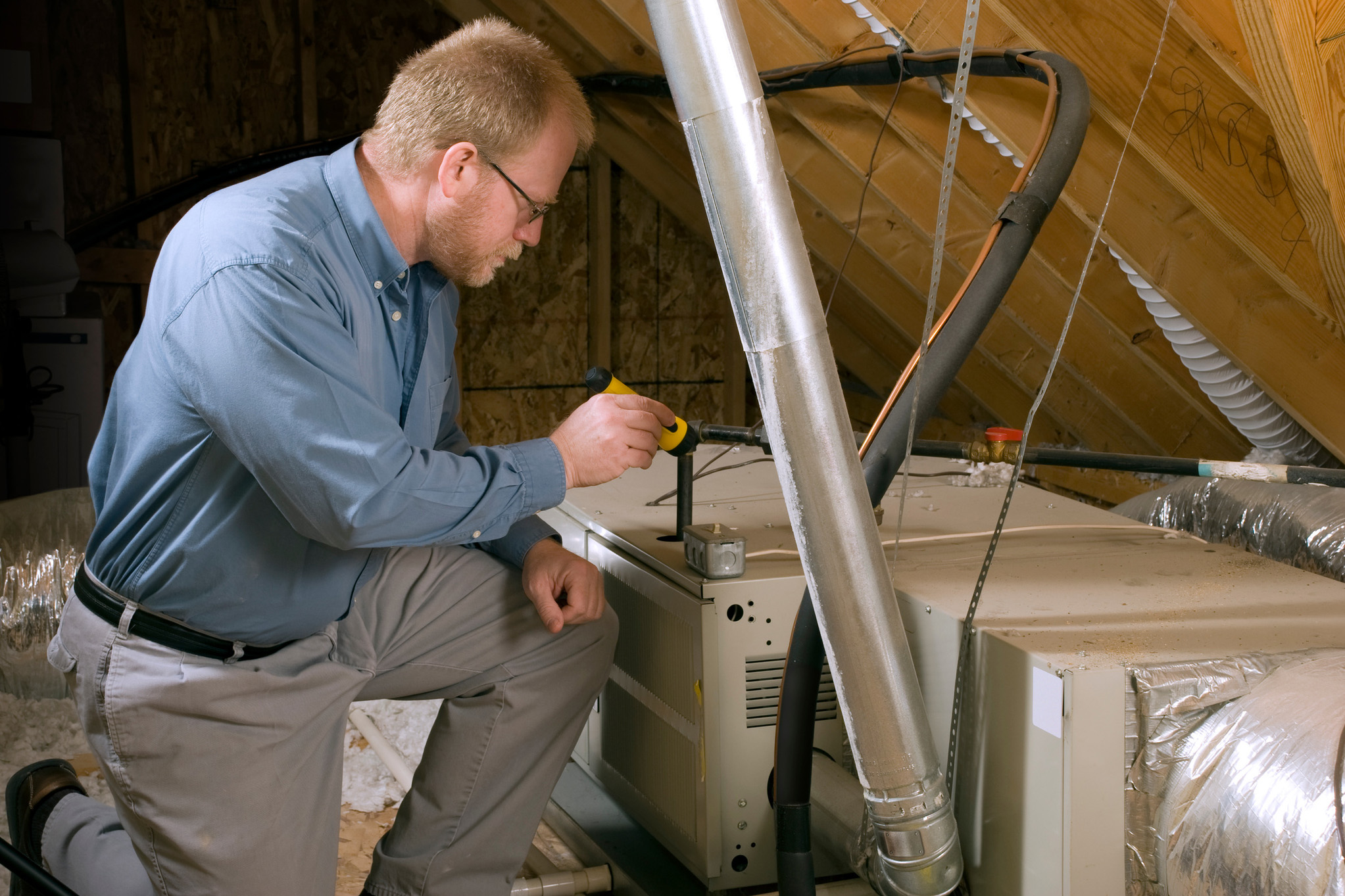
What Happens During a Home Inspection When Selling in Las Vegas?
Once you’ve accepted an offer on your Las Vegas home, the buyer may have an opportunity to inspect the property as part of the purchase agreement.
For sellers, the inspection can feel like one of the more uncertain parts of the transaction. An inspector may identify issues you already know about, things you didn’t know about, or simply items that come with the age and condition of the home.
An inspection doesn’t automatically mean you’ll have to fix everything. What happens afterward depends on the inspection findings, the purchase agreement, and any negotiations between you and the buyer.
The Buyer Schedules the Home Inspection
If the purchase agreement provides for an inspection or due-diligence period, the buyer will typically arrange for the inspection within the applicable time frame.
The inspector examines accessible areas and systems of the property and prepares a report for the buyer.
As the seller, you generally want the inspector to have reasonable access to the areas and components that need to be examined.
What Does a Home Inspector Look At?
The scope can vary, but a general home inspection may include visible and accessible components such as:
- Roof and exterior
- Heating and cooling systems
- Plumbing
- Electrical components
- Appliances
- Windows and doors
- Attic and insulation
- Interior walls, ceilings, and floors
- Structural components that are visible and accessible
An inspection isn’t the same thing as a guarantee that every possible problem with the home will be discovered.
Depending on the property or initial findings, a buyer may also choose to obtain additional inspections or evaluations.
You Don’t Need to Attend the Inspection
Sellers generally don’t need to remain at the property while the buyer and inspector are there.
Giving the buyer and inspector room to complete the inspection can make the process easier.
Before leaving, make sure the home is reasonably accessible. Avoid blocking electrical panels, attic access, water heaters, HVAC equipment, or other areas the inspector may need to examine.
The Inspection Report Goes to the Buyer
After the inspection, the inspector typically provides a report to the buyer.
The report may contain a long list of observations. Some may involve significant concerns, while others may be relatively minor maintenance items.
A lengthy report doesn’t necessarily mean the home is in poor condition. Even well-maintained homes can have numerous items noted during an inspection.
The important question for the transaction is what the buyer decides to do with that information under the terms of the purchase agreement.
The Buyer May Request Repairs or Other Changes
Depending on the purchase agreement and inspection findings, the buyer may ask you to address certain issues.
That could involve requesting repairs, asking for a credit or another concession, or proposing some other resolution.
A request from the buyer isn’t necessarily something you must automatically accept. Your options depend on the contract and circumstances of the transaction.
This is where your real estate agent can help you evaluate the request and determine how you want to respond.
Focus on the Important Issues
If a buyer submits a long list of requested repairs, it can be useful to separate significant concerns from relatively minor items.
Safety issues, major systems, water intrusion, structural concerns, or other substantial defects may carry more weight in negotiations than cosmetic or routine maintenance items.
Market conditions can matter as well. Your negotiating position may be different when several buyers are competing for homes than when buyers have many alternatives available.
Repairs Aren’t the Only Possible Solution
Sometimes completing a repair makes sense. In other situations, the parties may negotiate a credit, price adjustment, or another solution permitted by the purchase agreement.
There can be practical advantages to alternatives when appropriate. Repairing something during a transaction takes time, requires coordinating contractors, and can create questions about whether the work satisfies the buyer.
The best approach depends on the particular issue and transaction.
What If You and the Buyer Can’t Agree?
An inspection issue doesn’t necessarily end a sale, but the purchase agreement determines what rights and options each party has.
If you and the buyer can’t reach an agreement regarding requested changes, the next step will depend on the terms of the contract and the applicable deadlines.
That’s one reason it’s important to review inspection-related requests promptly with your real estate agent rather than letting a response deadline pass.
Once the Inspection Period Is Resolved
When the inspection and any related negotiations have been completed, the transaction can continue toward the remaining milestones.
If the buyer is financing the purchase, one of those may be the appraisal.
And that brings us to another question sellers sometimes face: What Happens If My Las Vegas Home Appraises Low?
