

What Happens After Your Offer Is Accepted on a Las Vegas Home?
Getting an offer accepted is exciting, but it isn’t the end of the home-buying process. In many ways, it’s when the transaction really begins.
Once you and the seller have reached an agreement, there are several important steps between an accepted offer and getting the keys to your new home. Knowing what to expect can help you stay organized and keep the transaction moving toward closing.
Escrow Is Opened
After the purchase agreement is accepted, the transaction moves into escrow. The escrow company acts as a neutral third party and helps coordinate the funds and documents needed to complete the sale.
Your purchase agreement establishes important dates and deadlines, so it’s a good idea to keep track of them from the beginning.
You’ll Deposit Your Earnest Money
Your purchase agreement will specify the amount of your earnest money deposit and when it is due.
Earnest money demonstrates your commitment to the purchase and is generally held in escrow until closing. How the deposit is ultimately applied or handled depends on the terms of the purchase agreement.
Make sure you understand the deadlines and instructions for delivering your deposit.
It’s Time for the Home Inspection
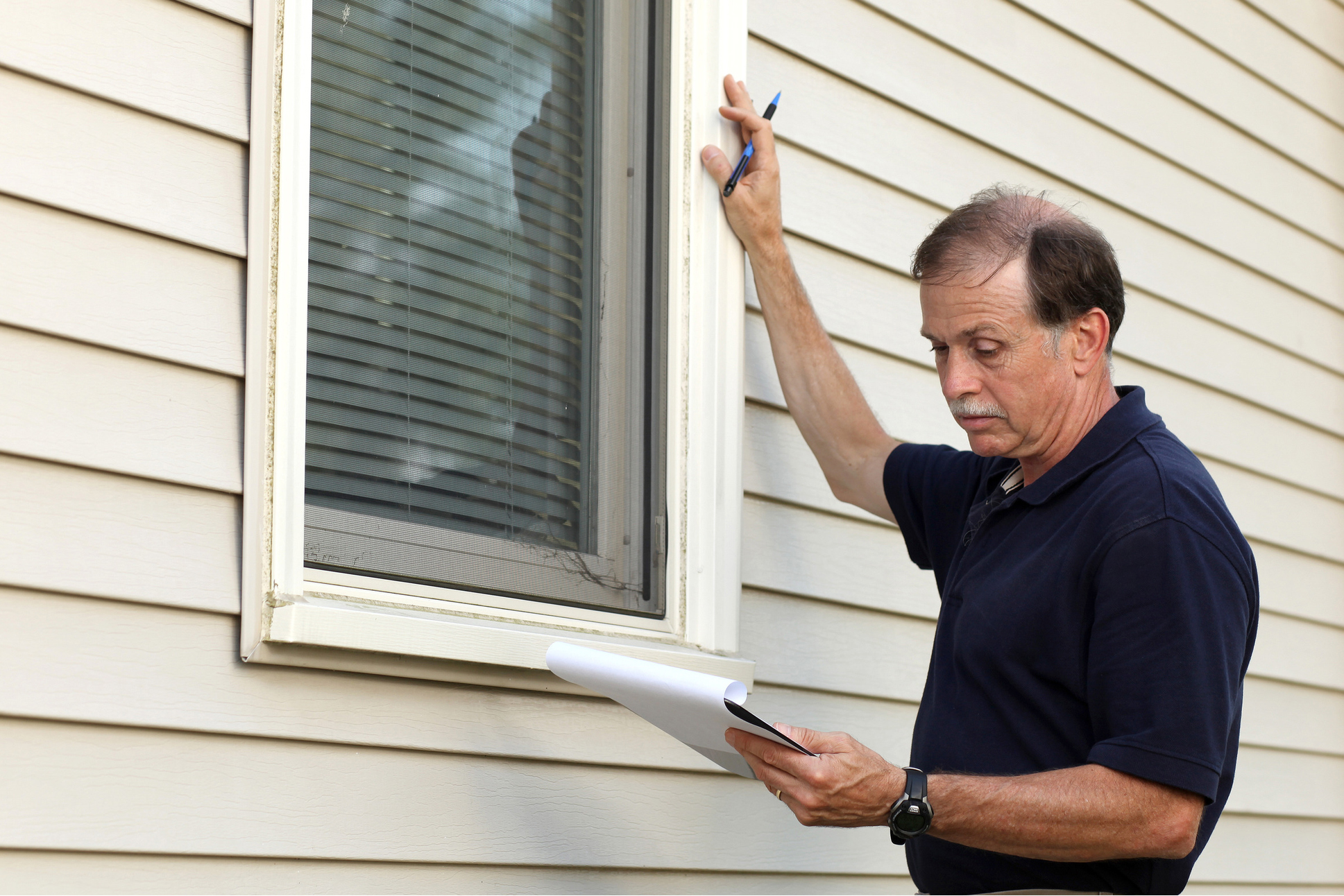
Buyers commonly arrange a professional home inspection soon after the offer is accepted.
An inspector evaluates accessible components and systems of the property and identifies conditions you may want to understand before moving forward. Depending on the home, you may also choose additional specialized inspections.
An inspection isn’t about finding a perfect house. It’s about learning more about the property’s condition while you are within the applicable time periods provided by your purchase agreement.
Your Lender Keeps Working on the Loan
If you’re financing the purchase, your lender’s work continues after your offer is accepted.
You may be asked for updated bank statements, employment information, tax documents, or other financial records during underwriting. Responding promptly can help prevent unnecessary delays.
This is also a particularly bad time to make major financial changes without first speaking with your lender. Taking on new debt, financing a vehicle, opening new credit accounts, or changing jobs could potentially affect your loan approval.
The Appraisal Is Ordered
For many financed purchases, the lender will require an appraisal.
The appraisal provides the lender with an independent opinion of the property’s value. It is different from the home inspection: the inspection focuses primarily on the property’s condition, while the appraisal is performed for the lender as part of evaluating the property and loan.
If the appraisal creates an issue, the options available will depend on the circumstances and the terms of your purchase agreement.
You’ll Review Disclosures and Property Information
During the transaction, you’ll receive documents and information relating to the property and sale.
Read them carefully and ask questions about anything you don’t understand. Real estate transactions involve a lot of paperwork, and some documents may require action within a particular time period.
Your real estate agent can help you keep track of the transaction and identify matters that may need attention.
Title and Escrow Work Continue Behind the Scenes
While you’re working through inspections and financing, the title and escrow companies are also preparing for closing.
Among other things, the title process is intended to identify matters affecting ownership of the property so they can be addressed as appropriate before the transaction closes.
Escrow also coordinates documents, funds, and other requirements needed to complete the transaction.
You’ll Complete a Final Walkthrough
Shortly before closing, buyers typically have an opportunity to conduct a final walkthrough of the property.
The walkthrough isn’t another full home inspection. It gives you an opportunity to see the property before closing and confirm its condition relative to the terms of the transaction.
If something unexpected has occurred, notify your real estate agent promptly.
Then It’s Time to Close
As closing approaches, your lender and escrow company will provide instructions regarding documents, funds, and other requirements.
After the necessary documents have been completed, funds have been handled, and the transaction has been recorded, ownership transfers to the buyer.
That’s when the keys really become yours.
How Long Does All of This Take?
The period between an accepted offer and closing varies from transaction to transaction.
Financing, inspections, appraisal, title matters, and the terms negotiated in the purchase agreement can all affect the schedule.
For a broader look at the entire process—from beginning your home search through closing—see How Long Does It Take to Buy a Home in Las Vegas?
Buying a Home in Las Vegas or Henderson?
There’s a lot happening between an accepted offer and closing, but you don’t have to figure out every step by yourself.
If you’re planning to buy a home in Las Vegas or Henderson, contact The Le Van Team to discuss what you’re looking for and how the buying process works.
